


05 Jun How Exercise Physiology Supports Athletic Performance
Most athletes are used to pushing through things.
A tight calf becomes “just soreness.” Shoulder pain gets blamed on a heavy training week. Constant fatigue feels like part of the process. For a while, many athletes can still perform despite those issues, which is why they often get ignored until something starts affecting performance properly.
The problem is that the body usually gives small warnings before a bigger injury or performance decline happens.
That is one reason more athletes are working with exercise physiologists. Rather than only focusing on training harder, exercise physiology looks at how the body is moving, recovering, adapting, and coping with physical load over time.
So, how does exercise physiology help athletes?
It helps athletes improve performance, recover from injuries more effectively, manage training demands, and build physical resilience through structured, evidence-based exercise.
Importantly, exercise physiology is not only for elite sport. Recreational runners, gym-goers, swimmers, football players, and people returning to exercise after injury can all benefit from a more individualised approach to training and recovery.
What Is Exercise Physiology?
Exercise physiology is a healthcare profession focused on how movement and exercise affect the body. Accredited exercise physiologists use exercise as a form of treatment and rehabilitation, but they also work with athletes looking to improve performance, strength, recovery, and long-term physical capacity.
A lot of people assume exercise physiology is basically the same as personal training, but the approach is quite different.
What Is the Role of Exercise Physiology?
An exercise physiologist looks at how the body functions as a whole. They assess movement patterns, injury history, physical limitations, recovery capacity, and training demands to understand what may be affecting performance or contributing to recurring pain.
For some athletes, the issue is obvious. Others are surprised to learn that the pain they feel is not always coming from the area that hurts most.
For example, someone with ongoing knee pain may actually have poor hip stability or reduced ankle mobility changing the way they move during training. A swimmer with recurring shoulder tightness may have underlying strength imbalances or mobility restrictions affecting how the shoulder is loading over time.
This is where exercise physiology becomes valuable. The focus is not simply on treating symptoms. It is understanding why the body keeps ending up there in the first place.
How Is Exercise Physiology Different From Personal Training?
Personal training generally focuses on fitness and performance goals. Exercise physiology combines that exercise knowledge with clinical understanding of pain, rehabilitation, injury management, and movement dysfunction.
That means programs are usually much more individualised.
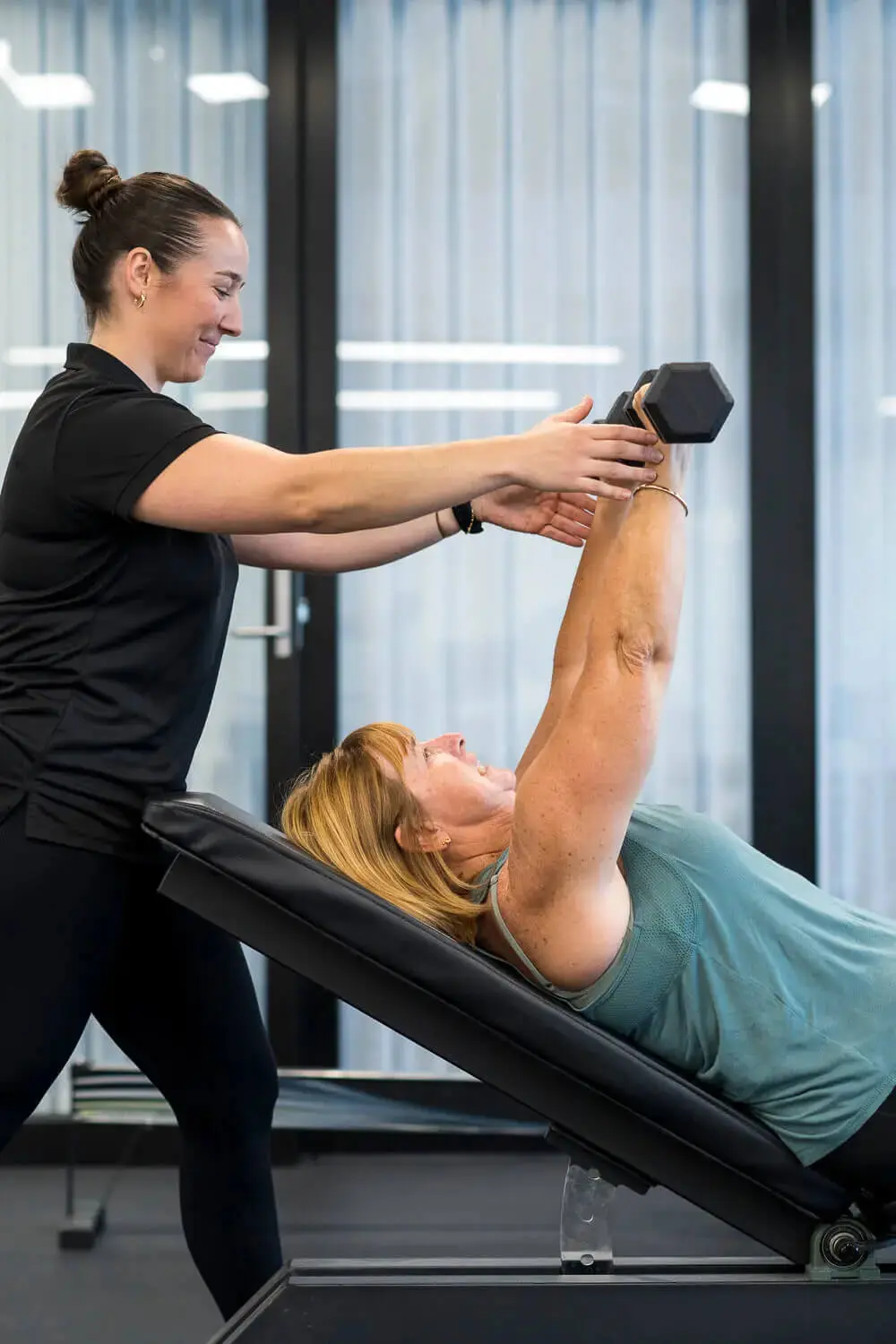
An athlete recovering from surgery will need a very different progression compared to someone trying to improve running endurance or return to strength training after chronic back pain. Exercise physiologists adjust programs based on what the body can currently tolerate, not just what the athlete wants to achieve quickly.
As Matisse explains:
“The best rehabilitation programs are built around the individual, not the injury. By tailoring progressions to each person’s goals, biomechanics, and performance demands, we create a safer return to sport, optimise athletic performance, and reduce the risk of future setbacks.”
Improving Athletic Performance Through Exercise Physiology
One of the biggest misconceptions around exercise physiology is that it is only useful after an injury.
In reality, many athletes work with exercise physiologists because they want to improve how they move and perform before things become a problem.
How Does Physiology Make an Impact on Athletic Performance?
Sometimes performance issues are obvious. An athlete may feel slower, weaker, or unable to recover between sessions properly. Other times, the changes are subtle.
A runner may notice their stride feels uneven late in a session. A football player might constantly feel tight through one side of the body. A CrossFit athlete may struggle with recurring shoulder irritation every time training volume increases.
These things matter more than people realise.
Small movement compensations repeated thousands of times during training can gradually affect efficiency, coordination, endurance, and force production. Over time, they can also increase the physical stress placed on joints, tendons, and muscles.
Exercise physiology helps identify those patterns early.
Strength and Conditioning With More Structure
A lot of athletes train hard, but not all athletes train in a way their body is responding well to.
Exercise physiology for athletes focuses on matching training demands to the athlete’s actual capacity. That may involve improving strength, endurance, mobility, stability, or recovery strategies depending on what is limiting performance.
For some athletes, it means building strength through ranges they currently avoid. For others, it may involve improving movement control or gradually increasing training load without aggravating pain.
This is also where proper recovery and performance planning becomes important. More training is not always better training.
Athletes who constantly push through fatigue often end up stuck in cycles where performance plateaus, soreness lingers, or injuries keep returning. Structured programming helps athletes understand when to push, when to recover, and how to progress without overloading the body unnecessarily.
Injury Prevention and Rehabilitation for Athletes
Most athletes do not stop training because of one perfect textbook injury.
Usually, things build gradually.
A tight hamstring keeps coming back. Shoulder pain starts appearing after certain sessions. Lower back stiffness becomes more frequent after training. Eventually, performance starts dropping or the body simply stops tolerating the load.
Why Is Exercise Physiology Important for Athletes Recovering From Injury?
One reason recurring injuries are so frustrating is that rest alone often does not solve the problem.
Pain may settle temporarily, but once training intensity increases again, the same issue returns because the underlying cause was never addressed.
This is especially common with:
- tendon pain
- overuse injuries
- recurring muscle strains
- shoulder instability
- knee pain
- lower back pain
Exercise physiology focuses on rebuilding capacity gradually so the body becomes more tolerant to physical stress over time.
Looking Beyond the Pain Itself
A recreational runner preparing for a half marathon may repeatedly strain their calf despite stretching regularly and taking time off between runs. After assessment, it may become clear that reduced hip control and sudden increases in training volume are contributing more to the issue than the calf itself.
These situations are common in sport.
Athletes often focus on the painful area while missing the movement patterns or training habits contributing to the problem underneath.
Exercise physiologists look at how the entire body is functioning during movement, not just where symptoms appear.
Returning to Sport With Confidence
One thing athletes often struggle with after injury is trust.
Even once pain settles, many people hesitate returning to full training because they are worried the injury will come straight back. That uncertainty can change how someone moves, trains, and performs.
A structured rehabilitation plan helps remove some of that guesswork.
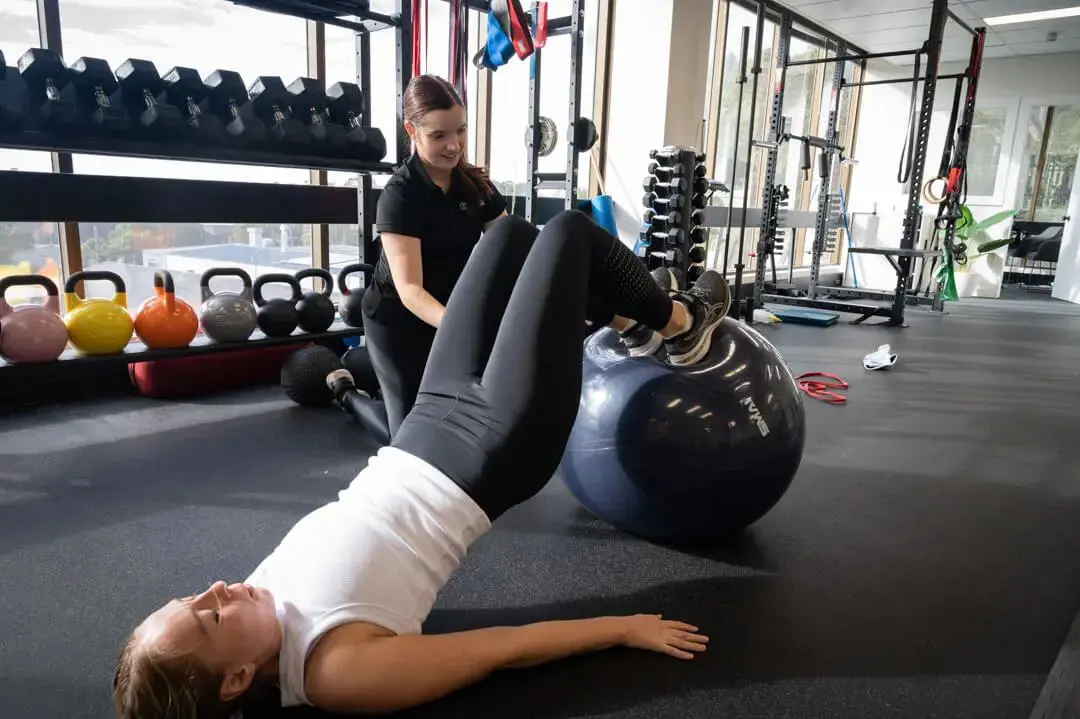
Rather than jumping straight back into full training, athletes progress gradually through strengthening, movement retraining, mobility work, and sport-specific loading.
This process helps rebuild confidence alongside physical capacity.
Athletes recovering from surgery or long periods away from training often benefit most from having that structure and guidance during recovery.
You can learn more about rehabilitation-focused care through the Sydney Injury Specialists Exercise Physiology Services and Sports Rehabilitation programs.
The Mental and Long-Term Benefits of Exercise Physiology
Athletes usually spend a lot of time thinking about physical performance, but injuries affect people mentally as well.
When someone cannot train consistently, confidence often drops with it.
Rebuilding Trust in the Body
After repeated setbacks, many athletes become cautious with movements that never bothered them before. They start second-guessing soreness, modifying sessions constantly, or avoiding certain exercises altogether.
That uncertainty can be exhausting.
Exercise physiology helps create more clarity around what the body can currently tolerate and how to progress safely from there. Having a plan often helps athletes feel more in control again.
Supporting Longevity in Sport
Not every athlete is chasing elite competition. A lot of people simply want to keep training consistently without their body constantly breaking down.
That is where long-term physical resilience becomes important.
Exercise physiology helps athletes build:
- better movement habits
- improved recovery strategies
- stronger load tolerance
- more sustainable training patterns
Over time, those things can make a significant difference to how well someone continues participating in sport and exercise.
The Australian Institute of Sport also highlights the importance of evidence-based recovery and long-term athlete wellbeing.

When Should an Athlete See an Exercise Physiologist?
A lot of athletes wait until they are already injured before getting support.
But exercise physiology is often just as useful earlier in the process, especially when smaller issues keep repeating themselves.
Signs It May Be Time to Seek Support
An athlete may benefit from seeing an exercise physiologist if they are:
- dealing with recurring injuries
- struggling with recovery
- experiencing pain during training
- noticing movement limitations
- returning from surgery
- feeling stuck in a performance plateau
- unsure how to progress training safely
Even athletes without a current injury may benefit from movement assessment and structured performance support.
Earlier Intervention Usually Means Fewer Setbacks
One of the hardest parts of recurring injuries is how disruptive they become over time. Training becomes inconsistent, confidence drops, and progress slows.
Addressing movement issues, recovery challenges, or training load concerns earlier often helps athletes stay more consistent long-term.
Supporting Athletes Beyond Performance
Exercise physiology is not simply about getting athletes back onto the field or improving short-term performance metrics.
It is about helping people move well, recover properly, and continue doing the activities they enjoy without constantly fighting against pain or physical setbacks.
For many athletes, that long-term consistency matters just as much as performance itself.
If injuries, recurring pain, or ongoing training frustrations are affecting your confidence or ability to perform, working with an exercise physiologist can help you better understand how your body moves, adapts, and recovers over time.